

Cobalt’s latest market cycle is not being driven by collapsing demand. Consumption continues to expand across electric vehicles, portable electronics, aerospace and defence, even as battery manufacturers reduce cobalt intensity and lithium iron phosphate batteries claim a larger share of the EV market. The more immediate risk now comes from the supply side—specifically, the power of governments and major producers to decide how much cobalt becomes available, when it can be exported and whether it is processed into saleable material at all.
That distinction matters because cobalt has become a managed market. The Democratic Republic of the Congo, responsible for roughly three-quarters of global mined supply, has demonstrated that export rules can change the physical balance faster than demand trends. Indonesia, meanwhile, is producing more cobalt as a by-product of its state-directed nickel industry. Together, the decisions made in Kinshasa, Jakarta and a relatively small group of mining companies can move cobalt from surplus to shortage without any dramatic change in how many batteries the world buys.
Demand Has Not Disappeared
Global cobalt demand reached approximately 276,000 tonnes in 2025, an increase of 13% from the previous year. Batteries remained the largest source of growth, while aerospace and defence applications added another layer of demand through cobalt-containing superalloys. Current industry estimates point to continued growth in 2026, led by electric vehicles, even if the rate moderates as battery chemistry evolves.
The rise of cobalt-free lithium iron phosphate batteries remains an important structural headwind, particularly in lower-cost electric vehicles and stationary storage. However, it has not removed cobalt from the battery market. Nickel-manganese-cobalt and nickel-cobalt-aluminium chemistries remain valuable where energy density, vehicle range and weight matter. Portable electronics also continue to rely heavily on cobalt-rich lithium-ion cells. The market is therefore dealing with lower cobalt intensity per unit in some applications, not the disappearance of demand.
That is why the recent price cycle cannot be explained by consumption alone. Total cobalt supply reached about 295,000 tonnes in 2025, exceeding demand and extending the surplus that had pushed prices to deeply unprofitable levels for many producers. The subsequent recovery was triggered by restrictions on availability rather than a sudden surge in end-user buying.
The DRC Turned Supply Into a Policy Instrument
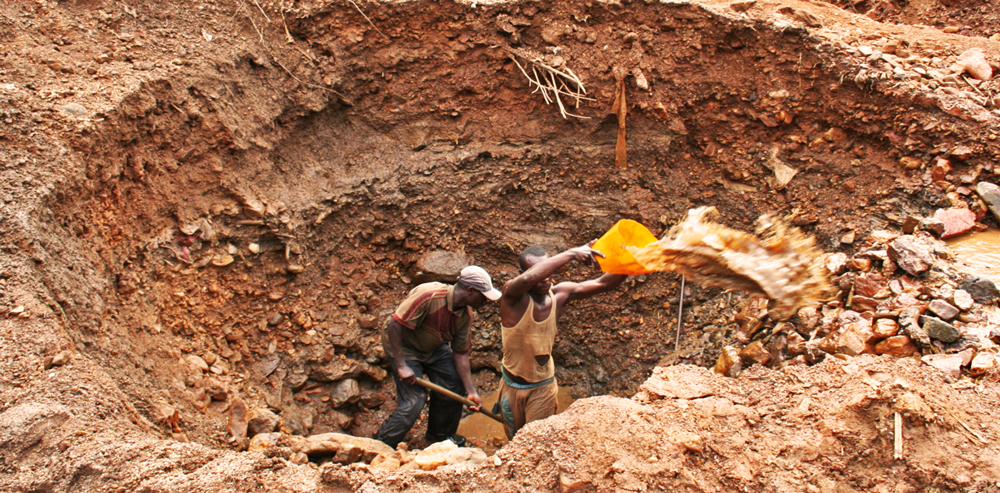
The DRC suspended cobalt exports in February 2025 after oversupply drove prices to their lowest levels in years. The blanket restriction was replaced in October by a quota system that remains in force. For both 2026 and 2027, the framework allows a base export quota of 87,000 tonnes, with an additional 9,600 tonnes controlled by the regulator for projects considered strategically important. The total potential allowance is therefore 96,600 tonnes annually, subject to adjustments and government discretion.
This is far below the country’s recent production capacity. More importantly, the system gives the Congolese regulator control over timing, company allocations, unused volumes and strategic releases. In June 2026, the regulator confirmed that unused first-half export rights would be withdrawn and reassigned rather than automatically carried forward. Market participants estimated that the decision could remove approximately 15,000 to 20,000 tonnes from previously available export allowances.
The regulator has since said that it is maintaining the current quotas but could consider further reductions if the imbalance between supply and demand deteriorates. That statement captures the market’s new reality: the quota is no longer simply an administrative limit. It is an adjustable mechanism designed to influence availability and prices.
The DRC’s August ban on exports of copper and cobalt concentrates generated another round of dramatic headlines, but its immediate effect on cobalt was limited. The country primarily exports cobalt as hydroxide, which was already governed by the quota system. The episode nevertheless reinforced how frequently mineral policy can change and how carefully investors must distinguish between a broad announcement and the specific material flows it affects.
Producers Are Changing What “Supply” Means
Mining output and market supply are no longer the same number. Glencore’s own-sourced cobalt production fell 46% during the first half of 2026 compared with the same period in 2025. The company attributed the decline primarily to the DRC quota regime and its decision to prioritize copper. Some cobalt contained in mixed ore is being held in solution instead of being processed and dried into exportable cobalt hydroxide.
That material has not vanished. It has been deferred. This creates a form of hidden supply that can return if export rules change, quotas are increased or producers decide that carrying inventory has become too costly. Other Congolese operators face the same tension: copper production can remain economically attractive while the associated cobalt cannot be exported at the same rate. Producers must then reduce cobalt recovery, build inventories or adjust operating plans around their individual allocations.
This gives corporate decisions unusual power over the market balance. If several large miners limit saleable output simultaneously, available supply can tighten much faster than mine production statistics suggest. If regulations loosen and accumulated material is released, the market can swing back toward surplus just as quickly. The cobalt is already mined or partly processed; it does not require a new project or a multiyear construction schedule to reappear.
Indonesia Is the Second Policy Variable

Indonesia accounted for about 14% of global mined cobalt supply in 2025, up from 11% a year earlier. Its importance is expected to keep growing as high-pressure acid leach plants process nickel laterite ore into mixed hydroxide precipitate containing both nickel and cobalt. Unlike a traditional cobalt mine, these facilities are primarily guided by nickel economics, ore availability and Indonesian industrial policy.
That makes Indonesian cobalt supply unusually indirect. If nickel processing expands, more cobalt can enter the market even when cobalt prices are weak. If Jakarta reduces nickel ore quotas, changes minimum ore prices, adjusts royalties or delays new processing capacity, cobalt production can slow even when cobalt demand remains healthy. Indonesia’s 2026 nickel ore quotas were set well below the previous year’s approved level, placing additional pressure on processors already dealing with higher operating costs.
Supply disruptions affecting sulphur, which HPAL plants need to produce sulphuric acid, have added another constraint. Industry forecasts reduced expected Indonesian cobalt output during 2026 as plants lowered operating rates. The broader lesson is the same as in the DRC: cobalt availability increasingly depends on decisions made for reasons extending well beyond the cobalt market itself.
How the Market Can Flip
The bullish scenario does not require an EV demand boom. It requires the DRC to keep actual exports below the headline quota, retain unused allocations, limit releases from the strategic quota or reduce future allowances while Indonesian supply remains constrained. Under those conditions, refiners would compete for fewer cobalt hydroxide and mixed hydroxide units, inventories would decline and prices could remain supported even if downstream buying grows only moderately.
The bearish scenario is equally policy-driven. The DRC could authorize more exports, distribute part of its strategic quota or allow producers to release material accumulated during the restrictions. Congolese miners are holding substantial cobalt in inventories or intermediate processing stages, meaning a policy relaxation could place large volumes into the market without waiting for new mines. A recovery in Indonesian HPAL production would add another source of supply.
This two-sided risk helps explain current price behaviour. Cobalt metal was trading near $56,000 per tonne at the end of August, while cobalt hydroxide assessments remained around $22 to $23 per pound. Yet physical hydroxide trading was thin, with a wide gap between buyers and sellers. Prices are being supported by constrained availability, but weak liquidity makes the market vulnerable to abrupt repricing in either direction.
What the Market Should Watch
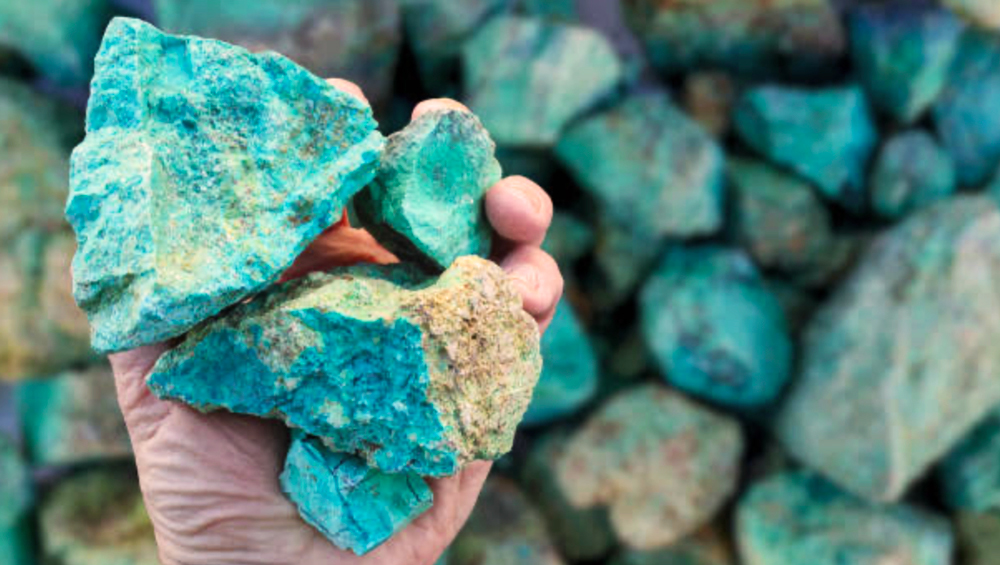
The most important indicator is actual Congolese exports, not the maximum annual quota. Delayed approvals, forfeited allocations and logistical problems can keep shipments below the published ceiling. Changes to the strategic quota and quarterly reviews can also alter the balance without a new nationwide ban.
Producer behaviour is the next signal. Glencore’s processing decisions, CMOC’s production-to-export gap and the recovery plans of other Congolese operators reveal how much cobalt is becoming saleable material and how much is being stored. In Indonesia, nickel ore allocations, HPAL operating rates, processing costs and government pricing rules will provide a clearer supply signal than cobalt prices alone.
Downstream indicators still matter, particularly Chinese refinery utilization, EV battery production, portable-electronics demand and the market share of different battery chemistries. But those figures now operate inside a supply system that governments and producers are actively managing.
MarketMind Insight
Cobalt is no longer simply a bet on how quickly electric vehicles will grow. It has become a test of whether concentrated producers can successfully manage supply without encouraging substitution, recycling and competing projects elsewhere. The DRC has already shown that policy can rescue prices from an oversupplied market, while Indonesia has shown that industrial strategy can create enormous new volumes as a by-product of another metal.
The next major move may therefore begin in a regulatory notice, an export allocation or a producer’s processing plan rather than an EV sales report. Demand still sets cobalt’s long-term direction, but policy now controls the road taken to get there—and the turns can be sharp.