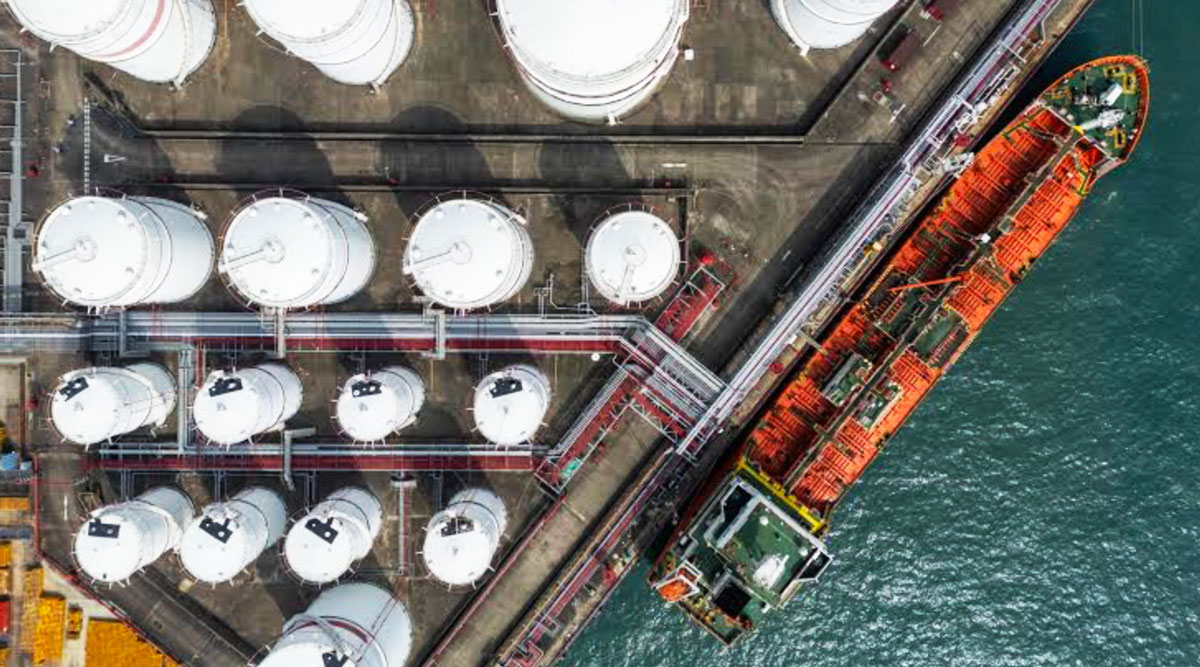
Financial markets have spent much of the past two years worrying about inflation, interest rates, and slowing economic growth. Yet another risk is quietly building beneath the surface: energy security. The United States Strategic Petroleum Reserve has fallen to its lowest level since 1983, leaving the world’s largest economy with a far smaller emergency oil buffer than it has maintained for most of the past four decades.
The Strategic Petroleum Reserve was created after the 1970s oil crises to provide a safety net during wars, supply disruptions, and major economic emergencies. While the reserve still contains hundreds of millions of barrels, its reduced level means there is less room for policymakers to respond quickly if another major shock hits global energy markets.
A Market with Little Margin for Error
The oil market today is operating with increasingly limited spare capacity. U.S. shale production growth has slowed as energy companies prioritize profitability and capital discipline over aggressive drilling. At the same time, a significant portion of the world’s excess production capacity is concentrated among a small number of countries, making the market more vulnerable to unexpected disruptions.
Demand, meanwhile, remains resilient. Air travel continues to recover, emerging economies are consuming more energy, and global shipping and manufacturing still depend heavily on petroleum products. Despite advances in renewable energy and electric vehicles, oil remains deeply embedded in the global economy.
The problem is not necessarily a shortage today. The concern is that the system has less flexibility to absorb a major disruption tomorrow.
Why Investors Should Pay Attention
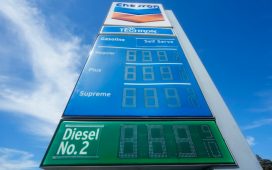
Oil has repeatedly demonstrated its ability to reshape the economic landscape. Sharp increases in crude prices raise transportation and manufacturing costs, push inflation higher, and reduce consumer purchasing power.
The potential consequences include:
- A resurgence of inflation
- Delays in central bank interest-rate cuts
- Higher operating costs for businesses
- Slower economic growth
- Greater volatility across equities and bonds
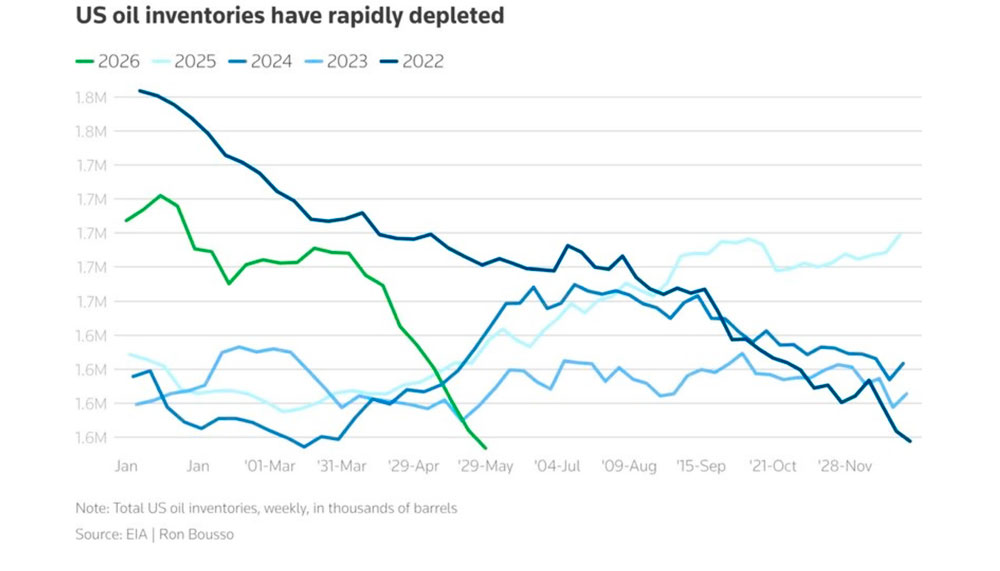
History shows that energy shocks can spread quickly through financial markets. The oil crises of the 1970s contributed to recessions and runaway inflation, while oil price spikes ahead of the 2008 financial crisis intensified pressures on households and businesses. Although today’s economy is different, energy remains one of the most influential inputs in global commerce.
Industries on the Front Line
Transportation companies, airlines, manufacturers, and retailers would likely feel the effects first. Rising fuel and logistics costs often work their way through supply chains, eventually increasing prices for consumers.
Emerging markets could face additional pressure through higher import bills and weaker currencies. Countries heavily dependent on imported energy may experience rising inflation and slower economic activity.
Energy producers, pipeline operators, and oil service companies, however, could benefit from higher prices and improved profitability.
Regional Implications
For Saudi Arabia and the UAE, stronger oil prices generally support government revenues, infrastructure spending, and liquidity across capital markets. Yet excessively high prices can ultimately damage global growth and weaken future demand.
North America could face renewed inflation concerns just as investors anticipate easier monetary policy. Europe remains vulnerable due to its reliance on imported energy, making it particularly sensitive to another significant rise in crude prices.
Could This Become Another Financial Shock?
Markets have become increasingly comfortable with expectations of moderating inflation and lower interest rates. A sudden oil supply disruption would challenge those assumptions almost immediately. Even a relatively brief supply interruption in a market with limited spare capacity could send prices sharply higher and force investors to reassess economic and earnings expectations.
The combination of historically low emergency reserves, concentrated spare production capacity, and resilient global demand creates an environment where oil once again deserves a place near the top of investors’ risk lists.
MarketMind Insight
The next major market shock may not begin in the banking system or the technology sector. It could emerge from a commodity that still powers airplanes, ships, factories, and supply chains worldwide. With U.S. emergency oil reserves at their lowest level since 1983, the world is being reminded that energy security remains one of the foundations of financial stability—and one of its biggest potential vulnerabilities.