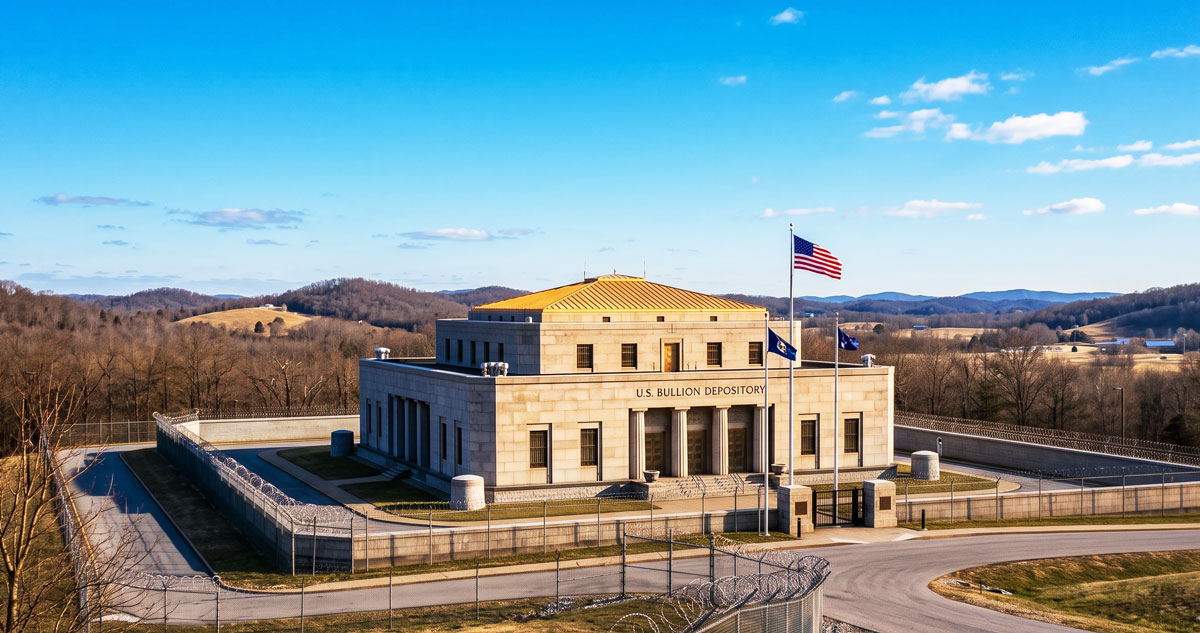
For decades, the gold stored at Fort Knox has been one of America’s most symbolic financial assets. Yet despite holding a significant portion of the United States’ official gold reserves, the depository has remained largely out of public view. Renewed political calls in 2026 for a modern physical audit have pushed Fort Knox back into the financial spotlight, raising an important question for investors: is this about missing gold, or restoring confidence?
Why Fort Knox Matters
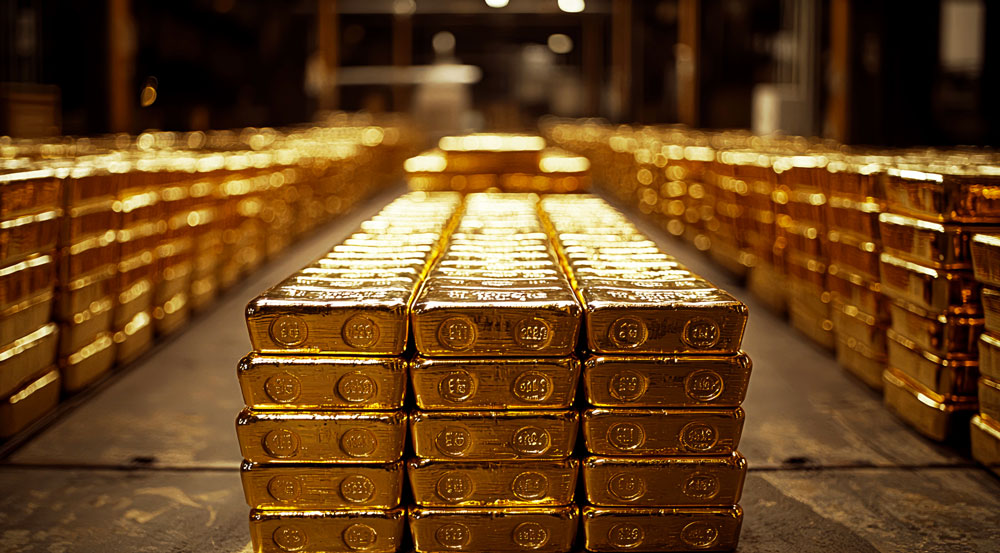
The United States holds the world’s largest official gold reserves, with approximately 8,133 metric tonnes across several depositories, including roughly 147 million troy ounces at Fort Knox in Kentucky. At today’s market prices, the gold stored there is worth hundreds of billions of dollars, although it continues to be carried on government books at the statutory price of just $42.22 per ounce.
While the U.S. dollar has not been backed by gold for decades, these reserves remain an important component of national financial credibility. Central banks around the world continue to hold gold as a reserve asset because it carries no counterparty risk and serves as a hedge during periods of financial uncertainty.
Why the Audit Debate Returned
Interest in a physical inspection resurfaced after President Donald Trump again called for a modern audit of Fort Knox, arguing that verifying the nation’s gold reserves would strengthen public confidence. The discussion gained additional momentum following renewed public attention surrounding the nation’s gold holdings and the importance of transparent reserve management.
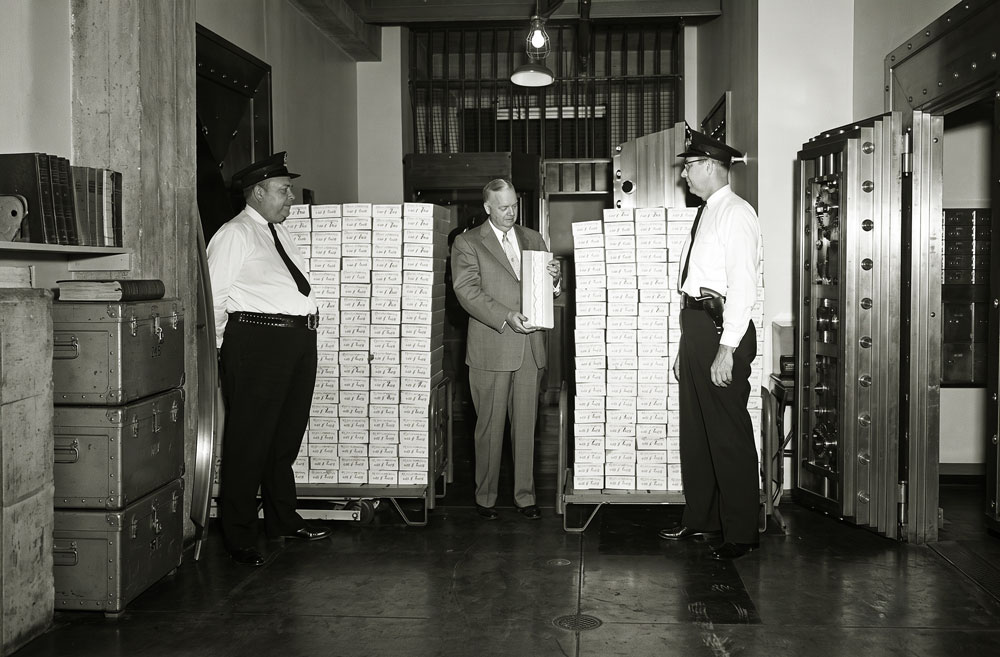
One reason the debate continues to return is the length of time since the last comprehensive public inspection. Fort Knox has not undergone a full publicly documented physical audit of its gold holdings since 1953, although the U.S. Treasury says the reserves have been subject to ongoing internal inventory controls, seal inspections, and periodic audits. The absence of a modern independent verification has fueled decades of speculation, even though no credible evidence has emerged suggesting the gold is missing.
Treasury officials maintain that the nation’s gold remains fully accounted for through existing inventory controls, annual reporting, and internal audit procedures. Treasury Secretary Scott Bessent has publicly stated that the gold is present and properly documented.
Transparency Versus Trust
Importantly, there has been no credible evidence suggesting that Fort Knox is missing gold. Instead, the debate centers on transparency. Supporters of a comprehensive audit argue that:
- Independent verification would eliminate decades of speculation.
- Modern technology could document every bar, serial number, weight, and purity.
- Greater transparency could strengthen confidence in U.S. financial institutions.
Critics counter that:
- Existing Treasury controls already satisfy government accounting standards.
- A full physical audit would require extensive logistical planning and security.
- The process could take months while offering little practical benefit if existing records already reconcile.
Would Markets React?
A successful audit confirming reported reserves would likely have little lasting impact on gold prices. Markets generally assume the reserves are intact.
However, the event itself could influence short-term sentiment by:
- Reinforcing confidence in U.S. financial transparency.
- Renewing investor interest in precious metals.
- Highlighting gold’s continuing strategic importance despite today’s fiat monetary system.
The larger market impact would likely be psychological rather than economic.
Why Gold Still Matters
Gold has quietly regained importance over the past several years.
Central banks have continued purchasing gold at one of the strongest rates in decades as countries diversify away from excessive reliance on the U.S. dollar. Rising geopolitical tensions, elevated government debt, and persistent inflation concerns have reinforced gold’s role as a strategic reserve asset.
Against this backdrop, questions surrounding Fort Knox resonate beyond politics. They touch on the broader issue of confidence in sovereign balance sheets and reserve management.
The Bigger Picture
Whether or not a comprehensive physical audit ultimately occurs, the discussion reflects a broader shift in investor expectations. Governments, central banks, and financial institutions face increasing pressure to demonstrate transparency rather than simply request public trust.
Markets increasingly reward verifiable information. In an era of digital reporting, blockchain-based proof-of-reserves, and instant data access, some investors argue that one of the world’s largest gold holdings should meet similarly modern standards of verification.
MarketMind Insight
The Fort Knox debate is not fundamentally about whether America’s gold exists—it is about how governments build and maintain credibility. If a modern audit proceeds and confirms existing records, it may do little to change gold prices. What it could strengthen is investor confidence in the institutions that underpin global financial markets. In today’s environment, transparency has become an asset in its own right.