
The newest U.S. tariffs on Canadian goods are severe, but they are not universal. Effective August 22, 2026, the United States began charging an additional 50% duty on a targeted group of Canadian imports valued by Ottawa at C$27.6 billion, or roughly US$20 billion. The measure covers more than 550 product classifications, reaches well beyond the three trade disputes used to justify it and applies even when a covered good qualifies under the United States–Mexico–Canada Agreement.
That last point makes this action unusually consequential. USMCA compliance can still eliminate the ordinary customs duty on a Canadian product, but it does not cancel the new Section 338 charge. A covered Canadian good that previously entered duty-free can therefore face a new 50% cost at the U.S. border almost overnight.
The tariff is also widely misunderstood. Canada does not write a cheque to the U.S. Treasury, and every Canadian export is not suddenly 50% more expensive. The importer pays the duty at customs, while the final economic cost is divided among importers, exporters, retailers, manufacturers and consumers according to contracts, margins and the availability of substitutes.
A Targeted Tariff, Not a Blanket One
The U.S. action was created through three presidential proclamations signed on July 20, 2026. They invoke Section 338 of the Tariff Act of 1930 and address alleged Canadian discrimination involving American alcoholic beverages, dairy products and motor vehicles. After a three-day suspension intended to allow negotiations to continue, the duties took effect at 12:01 a.m. Eastern time on August 22.
This is the first time Section 338 has been used to impose tariffs. The law permits additional duties of up to 50% when the president determines that another country is discriminating against U.S. commerce. Unlike a temporary safeguard or a tariff tied to a fixed review period, these measures have no scheduled expiry. They remain in force until they are reduced, modified or terminated.
Although the proclamations focus on alcohol, dairy and automobiles, the retaliation lists are much broader. The government selected hundreds of Harmonized Tariff Schedule classifications across consumer goods, agricultural products, industrial materials and equipment. Whether a shipment is covered depends on its tariff classification and Canadian origin—not on a broad description such as “food,” “machinery” or “wood product.”
What the 50% Tariff Covers
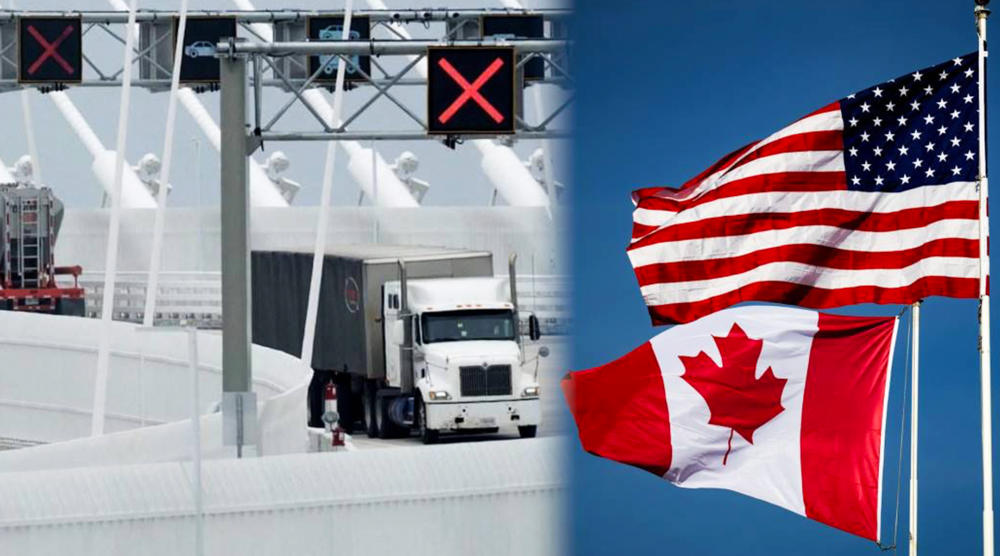
The covered list includes a wide range of finished goods, ingredients and industrial products. Major groups include:
- Alcoholic beverages: Canadian beer, wine, vermouth, spirits, ethyl alcohol and several other fermented beverages.
- Dairy products and food ingredients: Selected milk powders, whey products, lactose, casein and related preparations, along with honey and certain sugars and syrups.
- Agricultural and plant products: Selected bulbs, plants, cut flowers, seeds, hops, seaweed, natural gums, plant extracts and other horticultural inputs.
- Construction and household goods: Certain cement, paints and sealants, candles, plastic products, rubber articles, furniture, lighting products and household items.
- Beauty and personal products: Selected essential oils, fragrances, cosmetics, makeup and hair preparations.
- Wood, pulp and paper: Selected plywood and engineered-wood products, paper, packaging, envelopes, notebooks, labels and other paper goods that are not captured by a separate Section 232 exclusion.
- Textiles, apparel and accessories: Selected fabrics, clothing, gloves, footwear, hats, bags, luggage and leather goods.
- Tools, machinery and electronics: Selected hand tools, industrial equipment, refrigeration and processing equipment, smartphones, communications equipment, cameras, monitors, cables and electronic components.
- Jewelry, art and collectibles: Certain diamonds, precious-metal products, jewelry, artwork, prints, antiques and collectors’ pieces.
- Recreation and sporting goods: Selected toys, video-game equipment, hockey gear, skates, golf equipment, exercise machines, fishing rods and other sporting products.
This is why the policy cannot be summarized as an alcohol, dairy or automotive tariff. Those disputes supplied the legal rationale, but the economic pressure is spread across a much larger set of Canadian industries.
What Is Exempt—or Outside the New Measure
Several strategically important categories were kept outside the new Section 338 tariff. The principal exclusions include:
- Energy and energy products
- Potash
- Fish and seafood
- Critical minerals
- Qualifying civil aircraft, engines, parts, components and flight simulators
There is also a major carve-out for products already subject to trade restrictions under Section 232 of the Trade Expansion Act. This includes covered steel, aluminum and copper products and derivatives; passenger vehicles and light trucks; auto parts; medium- and heavy-duty vehicles, buses and related parts; certain wood products; semiconductors; and patented pharmaceutical products.
That does not mean these goods are free of U.S. tariffs. It means the new Section 338 duty is not added to them when they fall under the specified Section 232 measures. Canadian steel, aluminum, vehicles, lumber and other excluded products may still face substantial duties under separate tariff programs.
Special customs provisions can also change the calculation. Some goods properly entered under Chapter 98 of the U.S. tariff schedule may avoid the additional duty, while goods returned after repairs, alterations or overseas assembly can face the tariff only on the applicable foreign processing or value-added portion. Duty drawback may also be available when qualifying imported goods are later exported. These are technical relief mechanisms, not broad industry exemptions.
USMCA Does Not Provide a Shield
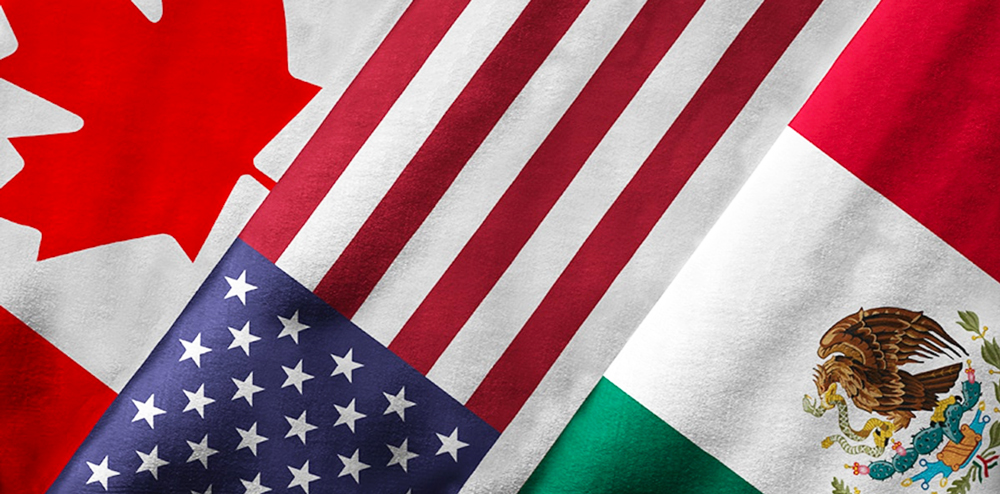
For most recent U.S. tariffs on Canada, USMCA origin rules have been the dividing line between tariffed and tariff-free trade. That is not the case here. The proclamations explicitly apply the 50% duty to covered goods regardless of whether they qualify for preferential treatment under USMCA.
A product can therefore be fully compliant with the trade agreement, receive a zero rate for its ordinary customs duty and still owe the additional 50% Section 338 charge. This feature sharply reduces the value of USMCA certification for the affected tariff lines, although proper origin documentation remains essential for every other applicable trade rule.
The duty is based on the product’s country of origin, not simply where it was shipped from or where the seller is located. Sending a Canadian-origin product through a third country does not erase its origin. Conversely, a product made elsewhere and distributed from a Canadian warehouse is not automatically a Canadian-origin good. Classification and origin must both be established correctly.
Who Pays at the Border?
The importer of record is legally responsible for paying the tariff to U.S. Customs and Border Protection. In a conventional transaction, that is the American company importing the product. A Canadian seller may become responsible if it acts as importer of record or agrees to deliver the goods with duties paid, but the Canadian government does not pay the charge.
The calculation is straightforward. If a covered Canadian shipment has a customs value of US$100,000, the new tariff creates an additional US$50,000 duty. Any other applicable duties, taxes, fees, antidumping duties or countervailing duties can still be charged on top. If the product qualifies for a zero ordinary duty under USMCA, the additional Section 338 bill remains US$50,000.
The relevant date is when the goods are entered for consumption or withdrawn from a U.S. warehouse for consumption. A shipment ordered or dispatched before August 22 can still be caught if its customs entry occurs after the measure took effect.
Who Bears the Economic Cost?
The company that transfers the money to customs is not necessarily the only party that absorbs the loss. The economic burden can move through the supply chain in several ways:
- The U.S. importer can absorb part of the duty through a lower profit margin.
- The importer can demand a lower price from the Canadian supplier, shifting part of the cost back to the exporter.
- A distributor or retailer can raise its selling price, passing some or all of the increase to American businesses or consumers.
- The buyer can switch to a U.S. or third-country supplier, reducing sales and production for the Canadian exporter.
- Competing suppliers can gain pricing power when a major Canadian source becomes more expensive.
Recent New York Federal Reserve research on the broader 2025 U.S. tariff increases found that nearly 90% of their economic burden fell on U.S. firms and consumers rather than foreign exporters. That result is not a precise forecast for these Canadian products, but it undercuts the simple claim that foreign countries automatically pay U.S. tariffs.
A 50% border duty also does not guarantee a 50% increase at the cash register. The tariff is calculated on the customs value, not the final retail price. Transportation, distribution, marketing and retail margins are added later, while companies may absorb part of the cost or change suppliers. For products with thin margins or few substitutes, however, a 50% charge can be large enough to halt trade rather than merely raise the final price.
Canada’s Countermove
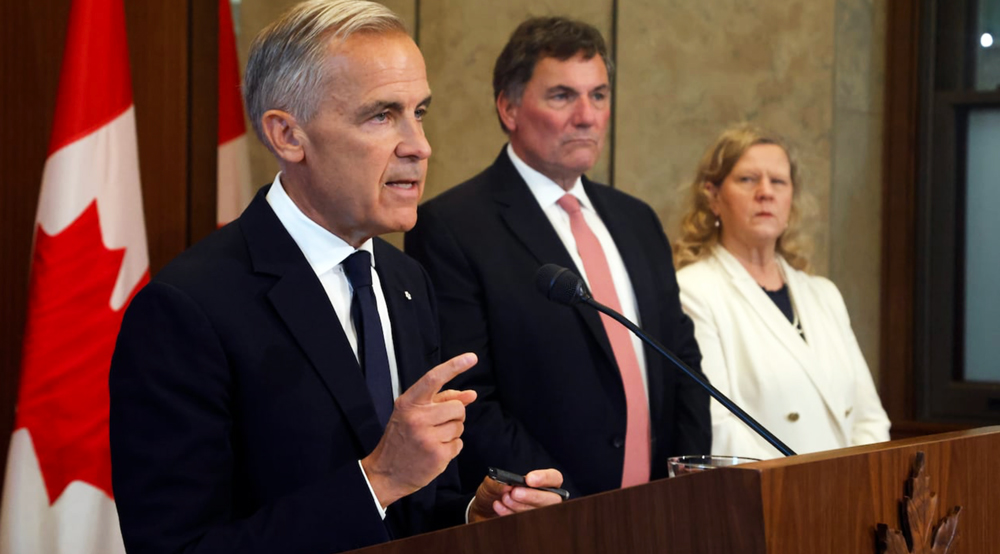
Ottawa has announced dollar-for-dollar countermeasures on C$27.6 billion of U.S. imports, scheduled to take effect on September 8, 2026. The Canadian list covers nearly 700 U.S. product classifications at rates of 15%, 25% or 50%, with targeted sectors including steel and aluminum, dairy, appliances, agricultural equipment, pulp and paper, plastics and electronics. Existing Canadian counter-tariffs on U.S. vehicles will remain in place.
For those imports, the payment structure is reversed: the Canadian importer pays the duty to Canadian customs and then decides how much to absorb, negotiate back to the U.S. supplier or pass on to customers. The border-tax boomerang now travels in both directions, increasing costs and uncertainty for companies operating across an unusually integrated market.
What Businesses Need to Check Now
Companies should not rely on product names or supplier assurances alone. The immediate review should cover five points:
- Tariff classification: Confirm the complete U.S. Harmonized Tariff Schedule code for every product.
- Country of origin: Establish where the product legally originates, including goods containing inputs from several countries.
- Exclusion status: Determine whether the product falls under a Section 232 measure, the civil-aircraft exception, Chapter 98 treatment or another specific provision.
- Entry timing and duty stacking: Check when the shipment will enter U.S. commerce and identify every ordinary or trade-remedy duty that remains applicable.
- Contract responsibility: Review Incoterms, importer-of-record status, price-adjustment clauses and whether either party has agreed to absorb new tariffs.
At a 50% rate, a classification or origin error can turn a routine shipment into a serious financial exposure. The tariff code has become as important as the sales price.
MarketMind Insight
The headline number is dramatic, but the economic story is more precise. The United States has not imposed a 50% tariff on all Canadian trade. It has placed a very high duty on a deliberately selected slice of roughly US$20 billion in annual imports, while keeping energy, potash, seafood, critical minerals and several Section 232 sectors outside this particular measure.
For affected companies, that distinction offers little comfort. USMCA status does not remove the charge, the proclamations have no automatic end date and a 50% duty can overwhelm normal operating margins. The first payment is made by the importer, but the lasting cost will be distributed through lower profits, supplier concessions, lost trade and higher prices on both sides of the border. The tariff may be collected at customs, but its real bill travels much farther.