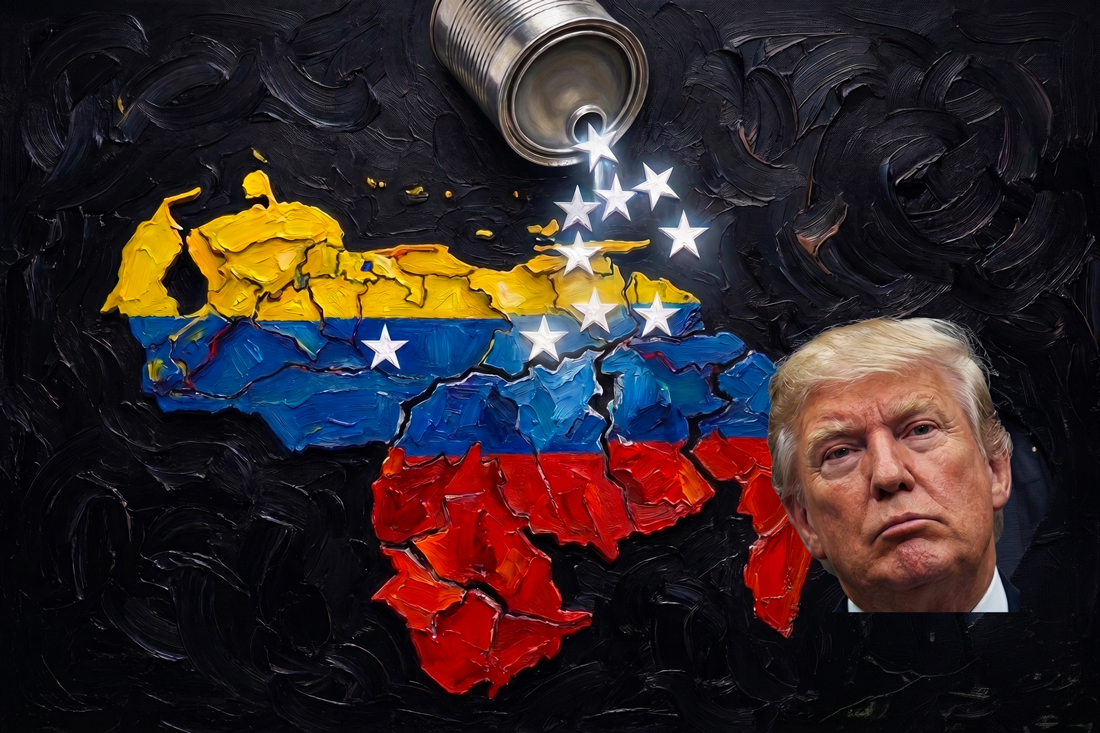
President Donald Trump has presented the new United States–Venezuela oil agreement as the largest petroleum deal in history—one that will expand American access to crude, replenish the Strategic Petroleum Reserve and eventually lower gasoline prices. The headline number is undeniably enormous: more than 65 billion barrels of Venezuelan oil reserves tied to 17 fields, with the United States expected to receive a controlling interest in a new operating partnership.
Yet oil reserves are not the same as oil production. Most of those barrels remain underground, much of the infrastructure needed to extract and transport them is in poor condition, and the full agreement has not been released. Even some of its most basic terms remain unclear. The deal may eventually reshape the Western Hemisphere’s energy market, but it does not offer a rapid escape from today’s elevated fuel prices.
What Has Actually Been Announced
Trump announced the agreement on August 28, saying it would give the United States majority control over more than 65 billion barrels of proven Venezuelan reserves through a partnership with private business. Venezuela’s acting president, Delcy Rodríguez, said the plan covers 17 strategic oilfields, calls for approximately $100 billion in investment and targets production of more than 1.5 million barrels per day.
According to details attributed to a U.S. official, the new company would give the United States a 55% effective interest in its output, including an ownership position and the right to purchase crude at cost. Some of that oil is expected to be directed toward the Strategic Petroleum Reserve and military requirements. Venezuela estimates that the arrangement could eventually generate more than $209 billion in royalties and taxes for the country.
Those figures make the deal sound unusually precise. The legal and commercial structure behind them is anything but. Neither government has published the complete contract, the principal private operator has not been officially identified, and there has been no public explanation of how the investment forecasts were calculated. The agreement was also negotiated without a publicly disclosed competitive process.
The 65-Billion-Barrel Number Needs Context
Venezuela holds approximately 303 billion barrels of proven crude reserves, the largest national reserve base in the world. The 65 billion barrels associated with the new agreement therefore represent roughly one-fifth of the country’s total. That volume also exceeds the approximately 46 billion barrels of proven crude oil and condensate reserves located within the United States.
But combining the two figures and saying the agreement “more than doubles” American oil reserves blurs an important distinction. The Venezuelan oil remains physically located in Venezuela and subject to Venezuelan geology, infrastructure, laws and political conditions. Access or commercial control does not transform it into a domestic U.S. reserve.
The production target makes the difference even clearer. Producing 65 billion barrels at a constant rate of 1.5 million barrels per day would take nearly 119 years. At that rate, only about 13.7 billion barrels would be produced over 25 years. The headline figure is therefore a description of the oil believed to exist in the fields—not a promise that all of it will be extracted during the initial agreement.
Venezuelan officials have described the project as a 25-year arrangement, while U.S. reporting has referred to development rights lasting as long as 100 years. Until the contract is released, even the duration of the operating rights cannot be treated as settled.
Why Venezuelan Oil Is Difficult and Expensive
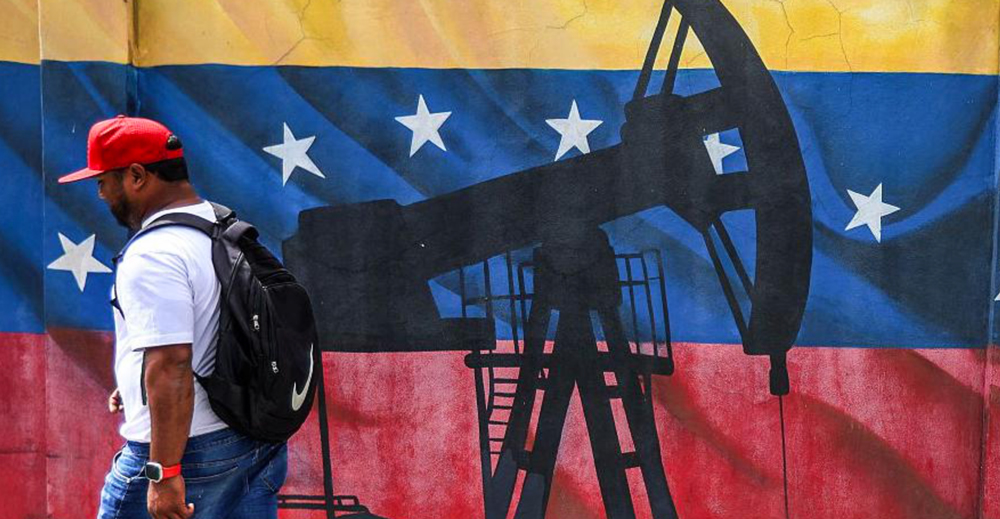
Venezuela’s problem has never been finding oil. It has been producing that oil reliably and profitably. Much of the country’s reserve base is concentrated in the Orinoco Belt and consists of heavy or extra-heavy crude. This oil is dense, high in sulfur and more complicated to extract, transport and refine than lighter grades.
Extra-heavy crude frequently requires diluent—lighter petroleum mixed with the oil so it can move through pipelines. It also requires specialized processing equipment once it reaches a refinery. Several complex refineries along the U.S. Gulf Coast are capable of handling Venezuelan crude, giving the country’s oil genuine strategic value to the American refining system. That compatibility, however, does not eliminate the cost of wells, pipelines, storage facilities, upgraders, power systems, ports and environmental remediation.
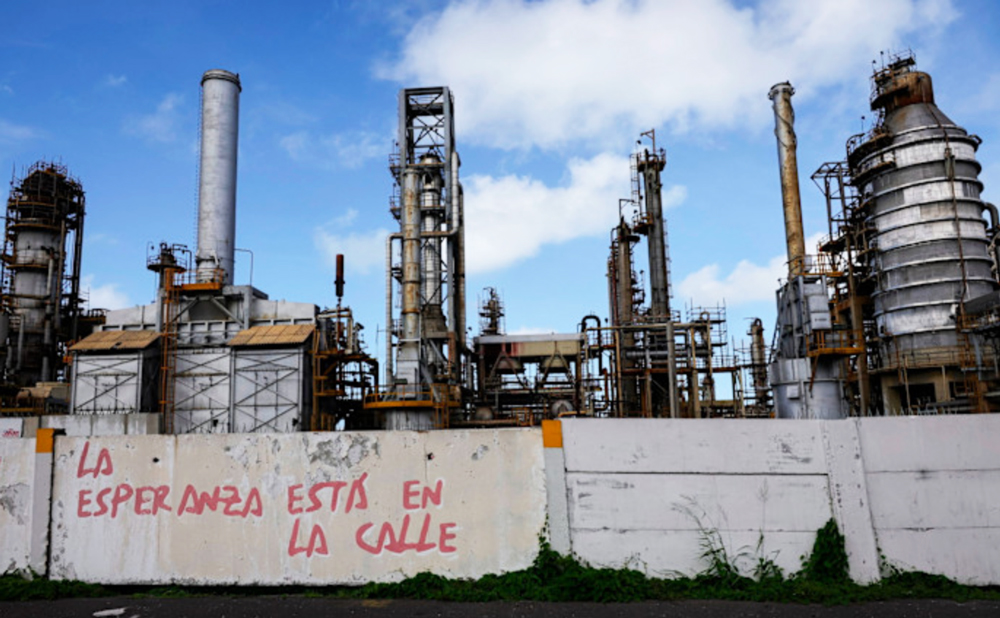
Years of underinvestment, operational decline, sanctions and political interference have left large parts of the industry deteriorated. Venezuela currently produces roughly 1.2 million to 1.25 million barrels per day, compared with around 3.5 million barrels per day during its historical peak. Despite possessing about 17% of the world’s proven crude reserves, it contributes only about 1% of current global production.
The new target of more than 1.5 million barrels per day would be an improvement, but it would not represent a flood of new oil. From current output, it implies an initial increase of only around 250,000 to 300,000 barrels per day. In a global market consuming more than 100 million barrels each day, that addition would be useful but relatively modest.
The Missing Financial Details
Trump has said the transaction will not cost American taxpayers because private companies will provide the capital. That claim depends on private operators being willing to commit tens of billions of dollars under terms they consider durable, enforceable and profitable.
That willingness cannot be assumed. Venezuela has nationalized foreign oil assets in the past, and companies including ExxonMobil and ConocoPhillips spent years pursuing compensation. ExxonMobil CEO Darren Woods described Venezuela as “un-investable” earlier in 2026, reflecting concern about legal protection, contract stability and political risk.
The promised $100 billion of investment also has not been divided into committed financing, anticipated financing or spending that may occur only after production milestones are reached. There is no published schedule showing how much money would be deployed each year, which fields would receive it first or what happens if crude prices fall below the level needed to justify expensive development.
The right to purchase oil “at cost” also needs clarification. Cost could include production, diluent, transportation, field rehabilitation, financing, royalties and other charges. Even genuinely discounted crude would still need to be shipped, refined and distributed before becoming gasoline or diesel. Buying crude cheaply does not automatically produce an equivalent reduction at retail pumps.
Why Gasoline Prices Will Not Fall Quickly
Gasoline prices respond primarily to global crude prices, refinery capacity, inventories, seasonal fuel requirements, transportation costs, taxes and regional supply conditions. The possibility that Venezuela may produce more oil years from now has far less immediate influence than oil already moving—or failing to move—through the market today.
The continuing conflict with Iran and restricted petroleum shipments through the Strait of Hormuz remain much more important to current prices. Roughly one-fifth of global petroleum normally passes through the strait. Disruptions there can remove or delay millions of barrels per day, easily overwhelming the potential near-term increase from Venezuela.
The realistic timeline should be divided into stages. Existing Venezuelan wells and pipelines could potentially be repaired enough to support a modest production increase within one or two years, provided financing arrives and political conditions remain stable. Reaching and maintaining output above 1.5 million barrels per day would require several years of consistent investment. The larger volumes capable of making a noticeable, sustained difference to global oil prices are generally viewed as five to ten years away, with some industry estimates extending the timeline to 15 years.
Earlier market modeling suggested that production approaching two million barrels per day by 2030 could reduce international crude prices by several dollars per barrel. That would be meaningful, but it would not guarantee an equally large decline in gasoline. Refining margins, disruptions elsewhere and stronger global demand could absorb part or all of the benefit.
Rebuilding the Strategic Petroleum Reserve Is a Different Goal
Trump has also said Venezuelan crude will help refill the Strategic Petroleum Reserve, which held approximately 290 million barrels in late August—near a 44-year low following emergency releases under both the Biden and Trump administrations.
Replenishing the reserve could strengthen long-term U.S. energy security, especially when global shipping routes are under pressure. It should not, however, be confused with lowering present-day gasoline prices. Oil purchased for the reserve is placed into storage rather than supplied to refiners. Unless the Venezuelan barrels represent genuinely new production, directing them into government storage does not increase the amount of fuel available to consumers.
That creates an unavoidable tension between the agreement’s two advertised goals. Filling the reserve protects against future emergencies; sending additional crude into the commercial market can place downward pressure on prices. The same barrel cannot accomplish both at once.
A Strategic Opportunity Wrapped in Political Risk
There is a credible long-term case for rebuilding Venezuela’s petroleum industry. The United States could gain a nearby source of heavy crude suited to its Gulf Coast refineries, reduce dependence on more distant suppliers and create additional competition in the global market. Venezuela could receive investment, technology, employment and government revenue from resources that have remained economically stranded.
But the durability of those benefits depends on transparency and legal legitimacy. Investors need to know who owns the venture, which laws govern it, how revenue is divided, how disputes will be settled and whether the agreement can survive political transitions in both countries. Venezuelans also need clarity over how their national resources are being valued and whether the projected public revenue complies with domestic law.
Without those safeguards, the deal could struggle to attract the scale of investment its production targets require. A very large reserve base does not compensate for a contract companies fear may later be challenged, rewritten or cancelled.
Is the Deal Even Legal?
The agreement is not clearly illegal, but its legality cannot be confirmed because the contract has not been released. Venezuela’s reformed hydrocarbons law permits private companies to operate oilfields and market production while the country retains ownership of its underground resources. Trump can therefore negotiate operating rights and guaranteed access to Venezuelan crude, but he cannot legally transform those reserves into American property.
The largest question concerns the reported 55% U.S. interest. Venezuelan law requires the state to retain more than 50% ownership of a conventional mixed oil company. A 55% American equity stake could conflict with that rule, while a 55% entitlement to production or economic benefits might be permissible through a private operating contract. There is also a major discrepancy between Venezuela’s announced 25-year term and reports of development rights lasting 100 years.
Procedural and international-law questions remain as well. It is unclear whether the required Venezuelan decree, legislative oversight and contractual-transparency requirements were satisfied, while critics could challenge whether the agreement was negotiated freely following the U.S. military intervention and removal of Nicolás Maduro. The deal has not been proven illegal, but until its complete terms and approvals are published, it cannot be considered legally secure either.
MarketMind Insight
Trump’s Venezuela agreement is potentially important, but its immediate economic value has been overstated. The 65-billion-barrel figure measures geological potential, not available supply, while the proposed production target represents only a modest increase from Venezuela’s current output. The missing contract, unidentified operator, conflicting timelines and uncertain financing leave the market unable to calculate the agreement’s true value.
Drivers should expect no quick relief. Small production gains could emerge within two years, but enough new supply to exert sustained pressure on international oil and gasoline prices will likely take at least five years—and potentially much longer. For now, events in the Middle East, refinery conditions and existing global supply flows will continue to matter far more at the pump.
The deal’s real significance is strategic rather than immediate. It could help rebuild a major oil-producing country and give the United States greater influence over a valuable source of heavy crude. But until capital is committed, infrastructure is repaired and the complete terms are made public, the biggest part of the world’s “biggest oil deal” remains the promise.