
Sterling strengthened after fresh data showed UK inflation climbing faster than expected, sharpening bets that the Bank of England will raise interest rates as soon as November. The move gave the pound support against both the US dollar and the euro, but its next steps may depend on whether price pressures spread beyond energy and how investors judge the UK’s economic and fiscal outlook.
Inflation Gives the Bank a Tougher Choice
UK consumer price inflation rose to 3.5% in the year to September, up from 3.1% in August and above economists’ expectations. The increase was driven largely by higher petrol and diesel prices. Core inflation, which excludes food and energy, also picked up to 2.8%, while services inflation rose to 3.7%.
The figures add pressure on a Bank already weighing the risk that the energy shock could feed into wages and prices across the economy. At its September meeting, the Monetary Policy Committee held Bank Rate at 3.75%, but three of its nine members voted for an immediate increase to 4%. The Bank’s next decision is due on November 5.
Rate Bets Support the Pound
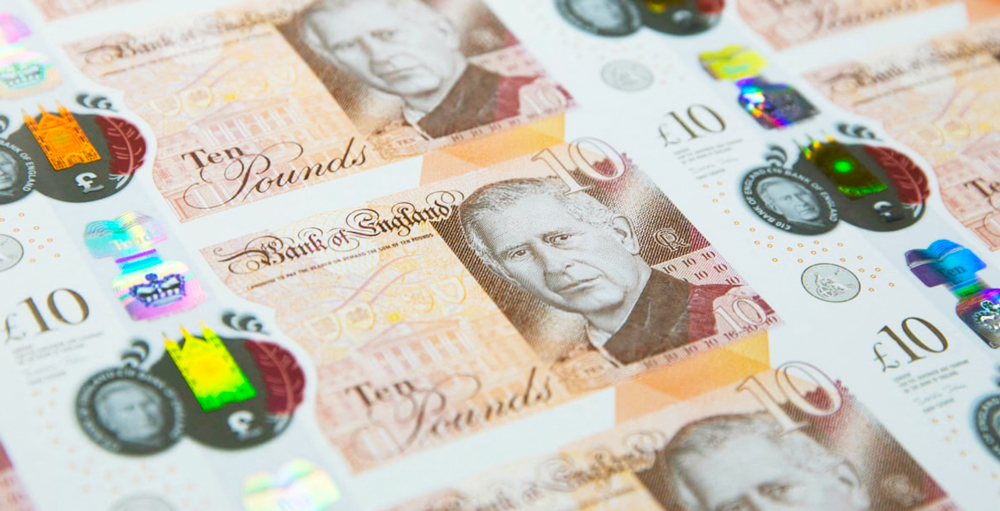
Higher expected interest rates can make UK assets more attractive to investors seeking stronger returns. After the inflation release, markets moved closer to pricing in a quarter-point increase in November, and sterling edged higher against the dollar and euro.
That support depends on the Bank following through. A rate rise could help contain inflation expectations, but it would also increase borrowing costs for households, businesses and the government. The pound’s rally reflects the prospect of tighter policy; it does not guarantee that the UK economy can absorb it comfortably.
What Could Challenge Sterling’s Advance?
The inflation increase is closely tied to energy costs, making the outlook sensitive to what happens to global oil and gas prices. If the shock eases and inflation falls back, traders could scale down their rate expectations, removing some of sterling’s recent support. The Bank has also stressed that it has seen limited evidence so far of a lasting second-round effect on wages and wider prices.
Economic weakness could also complicate the case for higher rates. If employment, demand or business activity deteriorates, policymakers may be less willing to tighten aggressively even while headline inflation remains elevated. And with the government’s budget due next week, investors will be watching how plans for household support and public finances affect confidence in UK assets.
MarketMind Insight
September’s inflation reading has strengthened the case for a Bank of England rate increase and given sterling a near-term lift. The next test is whether price pressures persist beyond fuel and energy—and whether the Bank sees enough evidence to act despite the risks to growth. If inflation cools or the economic outlook weakens, rate-hike bets could retreat and the pound’s advance could lose momentum.