
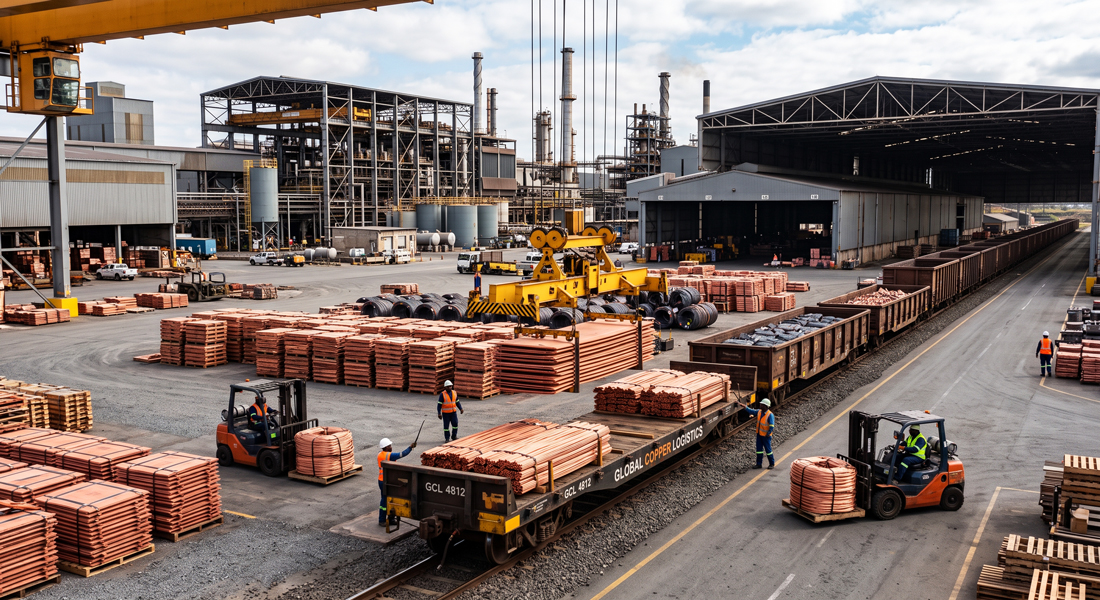
Copper has moved beyond an ordinary commodity rally. In August 2026, London Metal Exchange cash copper reached a record $14,912 per metric tonne, while U.S. futures also traded near historic highs. Investor interest, a weaker U.S. dollar and tariff uncertainty have all contributed, but the most revealing signals are coming from the physical market.
Copper has not simply become more expensive. Available metal is increasingly concentrated in the wrong locations, mine output is struggling to meet expectations and smelters are competing aggressively for limited supplies of copper concentrate. The result is a market that can appear well stocked globally while still experiencing severe shortages in the places where copper is immediately required.
The Record Price Is Only Part of the Story
Copper prices are influenced by economic growth, currencies and speculative positioning, so a record alone does not prove that the world is running out of metal. The structure of the market, however, is showing genuine physical stress.
In August, the premium for immediate copper delivery over three-month delivery on the LME briefly reached $545 per tonne. This condition, known as backwardation, indicates that buyers are willing to pay considerably more for copper now than for copper delivered later.
Before emergency deliveries began arriving, the LME held approximately 207,825 tonnes of registered copper. Nearly half had already been cancelled for withdrawal, leaving only around 103,000 tonnes readily available to settle contracts. Several large positions were collectively seeking more copper than the exchange could immediately provide.
More than 38,000 tonnes were subsequently delivered into LME warehouses within three days, easing the most extreme pressure. But the episode demonstrated how quickly an apparently liquid market can become constrained when participants demand actual metal rather than financial exposure.
Copper Exists, Just Not Where It Is Needed
The present shortage is partly geographical.
Tariff expectations and higher U.S. prices have encouraged traders to redirect copper toward American warehouses. By the end of July, CME facilities held approximately 58% of all copper stored across the world’s major exchanges. Significant additional quantities were also sitting in U.S.-based LME warehouses or being held outside the exchange system.
That stockpile may protect American consumers, but it has reduced immediate availability elsewhere. Europe and Asia can therefore experience tight supply even while global exchange inventories appear relatively comfortable.
This is the distinction between inventory and accessibility. Copper stored in the United States cannot instantly satisfy a contract in London, supply a Chinese manufacturer or reach a European cable producer. It must be released, financed, transported and delivered in an acceptable form.
A physical commodity market can have plenty of metal on paper and still suffer a shortage in practice.
The Mine Supply Pipeline Is Underperforming
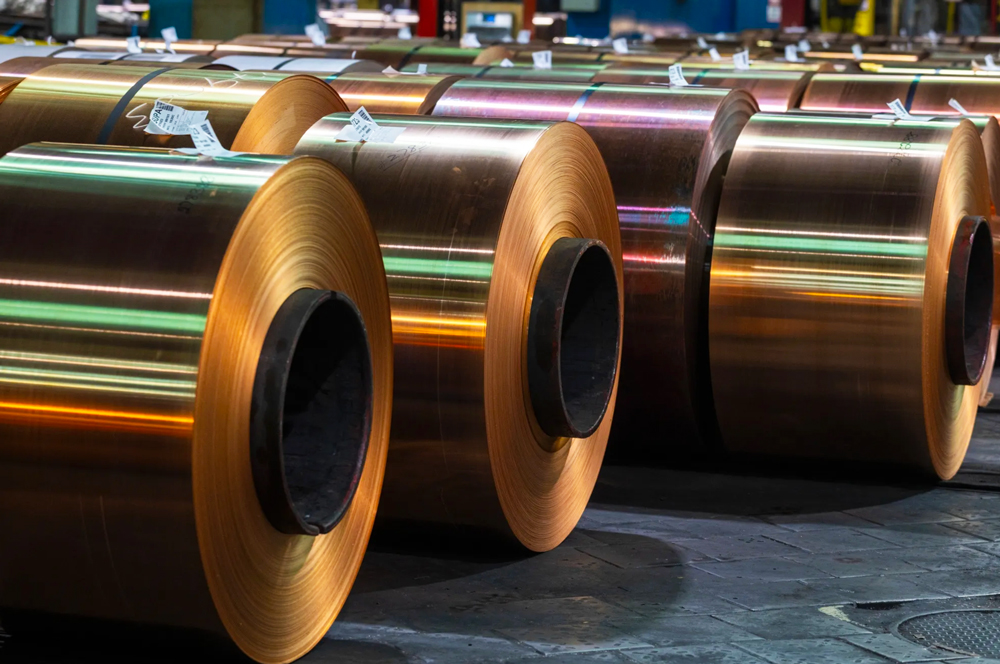
The problem begins further upstream.
Major disruptions at Grasberg in Indonesia, Kamoa-Kakula in the Democratic Republic of Congo and El Teniente in Chile have removed or delayed production that the market had expected. Kamoa-Kakula’s 2026 guidance, for example, has been reduced substantially from its original range as the operation continues its recovery and development work.
Copper supply is also becoming more difficult to expand structurally. Average ore grades have declined by roughly 40% since 1991, meaning miners must process more material to produce the same quantity of copper. Projects are becoming deeper, more technically complicated and more expensive to develop.
New discoveries are not replacing older deposits quickly enough. Only a small proportion of the major copper resources identified over the past 35 years were discovered during the most recent decade. Developing a new mine can take around 17 years from discovery to commercial production.
A higher copper price improves project economics, but it cannot compress permitting, construction and infrastructure development into a single market cycle.
Smelters Are Revealing the Real Bottleneck
The clearest evidence of the upstream shortage may be found in copper treatment and refining charges.
Smelters normally earn fees for converting mined copper concentrate into refined metal. When concentrate is plentiful, miners must pay higher processing fees. When concentrate becomes scarce, smelters compete for limited material and those fees fall.
The annual benchmark treatment charge reached zero in 2026, while some spot processing terms have remained negative. In effect, certain smelters have been willing to sacrifice normal processing income to secure concentrate and keep their facilities operating.
China has added enormous smelting capacity, accounting for most of the increase in global output since 2005. Concentrate production has not grown at the same rate. The world may therefore possess sufficient refining equipment, but not enough mined material to use it efficiently.
This mismatch is important. Building another smelter does not produce more copper if the mines cannot supply it.
Demand Is Becoming Harder to Postpone
Copper still responds to construction and manufacturing cycles, particularly in China. But its demand profile is broadening beyond traditional industrial activity.
Electricity grids require large amounts of copper for cables, transformers and substations. Renewable power, electric vehicles, charging infrastructure and battery storage add further demand. Data centres also require copper through electrical connections, cooling equipment, backup systems and the expansion of the power networks supporting them.
These uses do not all grow at the same speed, and high prices may encourage manufacturers to reduce consumption or substitute aluminium where technically practical. Yet many applications depend on copper’s conductivity, reliability and resistance to corrosion.
The International Energy Agency now estimates that the currently announced project pipeline could leave anticipated copper supply approximately 25% below demand by 2035. That forecast may change as new projects advance, but it highlights how little room the market has for delays, weaker ore grades or unexpected mine closures.
Record Prices Will Trigger a Response—Eventually
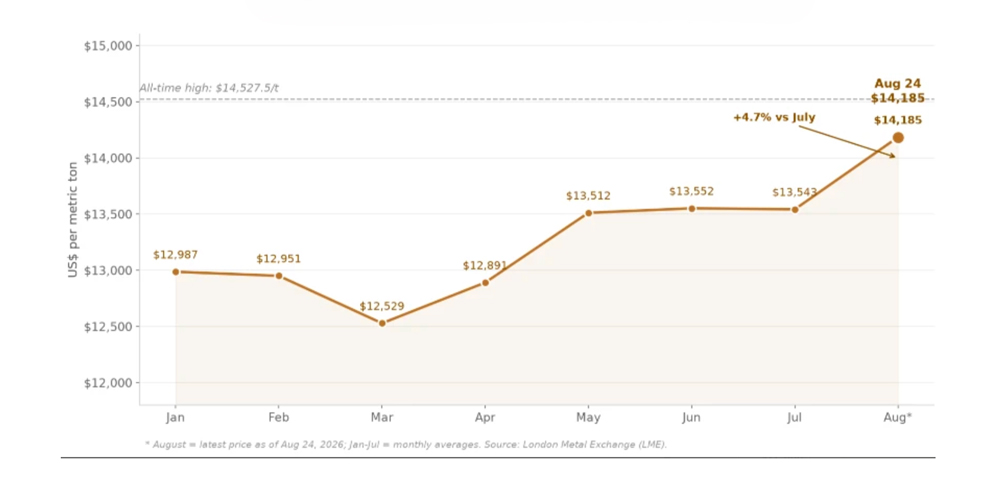
Copper above $14,000 per tonne will encourage new investment, accelerate scrap collection and make marginal projects more attractive. It will also force manufacturers to use copper more efficiently.
Recycling could become particularly important because secondary copper can reach the market faster than a newly developed mine. Higher prices should draw more old wiring, machinery and electronic equipment back into the supply chain.
Substitution will also increase. Aluminium can replace copper in certain power cables, motors and heat-exchange applications, although redesign costs, performance requirements and safety standards limit how quickly this can happen.
These responses should eventually reduce pressure, but none offers an immediate solution. Scrap availability is finite, substitution requires engineering changes and new mines remain slow to build.
What Investors Should Watch Next
The headline copper price is no longer enough to understand the market. Investors should also monitor:
- LME cash-to-three-month spreads, which reveal the cost of obtaining immediate metal.
- Cancelled warehouse warrants, showing how much registered copper is scheduled for withdrawal.
- The price difference between CME and LME contracts, which influences where physical copper is shipped.
- Treatment and refining charges, one of the strongest indicators of concentrate availability.
- Production guidance from major mines in Chile, Peru, the DRC and Indonesia.
- Chinese import premiums and manufacturing demand.
- Scrap supply and evidence of substitution by industrial consumers.
A cooling of backwardation or rising LME stocks could relieve short-term pressure without resolving the longer-term supply problem. Conversely, another major mine disruption could quickly return the market to extreme tightness.
MarketMind Insight
Copper’s record price is not proof that the world has exhausted its resources. It is evidence that the supply chain has lost much of its flexibility.
Metal has been pulled toward the United States, available LME inventories have become vulnerable to concentrated positions, smelters are competing for scarce concentrate and new mines cannot be developed quickly enough to respond to price signals. The shortage is therefore not simply about how much copper exists. It is about whether usable copper can reach the right buyer, in the right form, at the right time.
That physical constraint is what separates the current rally from a purely speculative surge—and why copper may remain volatile even after its most dramatic price spikes begin to fade.